Know the Companies
Behind the Headlines
Net worth, valuation, and plain-language analysis for India's biggest corporates, fastest-growing startups, and the world's most valuable companies.
India's Corporate Giants
The conglomerates and large-caps that define the Indian economy.
Reliance Industries
India's largest company. From Jamnagar refinery to Jio and Reliance Retail.
Read analysis →
Adani Group
Ports, airports, power, green energy, and cement — Adani's empire explained.
Read analysis →
Bharti Airtel
Mobile subscribers, Africa operations, and the race to 5G in India.
Read analysis →
ITC Limited
From cigarettes to biscuits and hotels — ITC's diversification story.
Read analysis →
Bajaj Group
Two-wheelers, EVs, and Bajaj Finance's massive consumer lending business.
Read analysis →
Maruti Suzuki
Market share, EV transition plans, and the passenger vehicle landscape.
Read analysis →
Asian Paints
Distribution moat, brand equity, and its expansion into home décor.
Read analysis →
Vedanta
Zinc, aluminium, oil & gas, and Anil Agarwal's global mining empire.
Read analysis →
Patanjali
How Patanjali disrupted India's FMCG sector and where it stands today.
Read analysis →
Jio Platforms
The data revolution, 5G rollout, and JioCinema's media ambitions.
Read analysis →
LIC of India
After the mega IPO, how LIC's AUM and market position stack up.
Read analysis →
Nestlé India
Pricing power, rural penetration, and Nestlé India's premium valuation.
Read analysis →Banks & Financial Institutions
The lenders, insurers, and financial services companies that power India's economy.
HDFC Bank
Post-merger loan book, NIMs, and HDFC Bank's dominance in retail lending.
Read analysis →
ICICI Bank
Retail credit growth, digital banking leadership, and investor appeal.
Read analysis →
Axis Bank
Rebuilding after bad loans — how Axis turned its NPA story around.
Read analysis →
Kotak Mahindra Bank
Uday Kotak's legacy, high CASA ratio, and Kotak's affluent customer focus.
Read analysis →
Zerodha
No commissions, the Kite platform, and Nithin Kamath's bootstrapped empire.
Read analysis →LIC of India
India's largest institutional investor — policies, market impact, and more.
Read analysis →India's Biggest Startups
From unicorns to publicly listed new-age companies — the startups reshaping Indian business.
Zomato
Food delivery to Blinkit quick commerce — how Zomato found its profitable path.
Read analysis →
Zepto
How two 19-year-olds built India's fastest-growing quick commerce startup.
Read analysis →
Physics Wallah
Alakh Pandey's mission to make quality education affordable for every Indian student.
Read analysis →View All Startups →
The full directory of India's startup net worth breakdowns.
World's Most Valuable Companies
The global corporations that every investor and business student should understand.
Apple Inc.
World's most valuable brand. iPhone, services, and Tim Cook's supply chain empire.
Read analysis →
Meta Platforms
Ad revenue dominance, the metaverse pivot, and Zuckerberg's AI-first strategy.
Read analysis →
Goldman Sachs
Wall Street's most elite bank — M&A, trading, and global deal-making explained.
Read analysis →
JPMorgan Chase
Jamie Dimon's fortress bank — consumer banking, investment banking, and global reach.
Read analysis →
BlackRock
The world's largest asset manager, the Aladdin platform, and iShares ETFs.
Read analysis →
KKR & Co.
How KKR buys, transforms, and exits companies — the private equity model explained.
Read analysis →
Berkshire Hathaway
From textile mill to $900B conglomerate — Buffett's value investing blueprint.
Read analysis →
IBM
From mainframes to hybrid cloud and Watson AI — IBM's century-long transformation.
Read analysis →
Salesforce
Marc Benioff's SaaS empire — CRM, Slack, and the enterprise AI opportunity.
Read analysis →
Uber
From loss-making to profitable — how Uber finally cracked the unit economics puzzle.
Read analysis →
Coca-Cola
The world's most recognised brand — pricing power, India operations, and dividends.
Read analysis →
Starbucks
Loyalty programme, China challenges, and why Starbucks India is growing fast.
Read analysis →
KFC
Colonel Sanders' legacy — how KFC became one of the world's largest restaurant chains.
Read analysis →
Xiaomi (Mi)
Smartphones, smart home, and why Xiaomi is one of India's top-selling phone brands.
Read analysis →India's Richest & Most Influential
The founders, CEOs, and investors shaping India's corporate story.
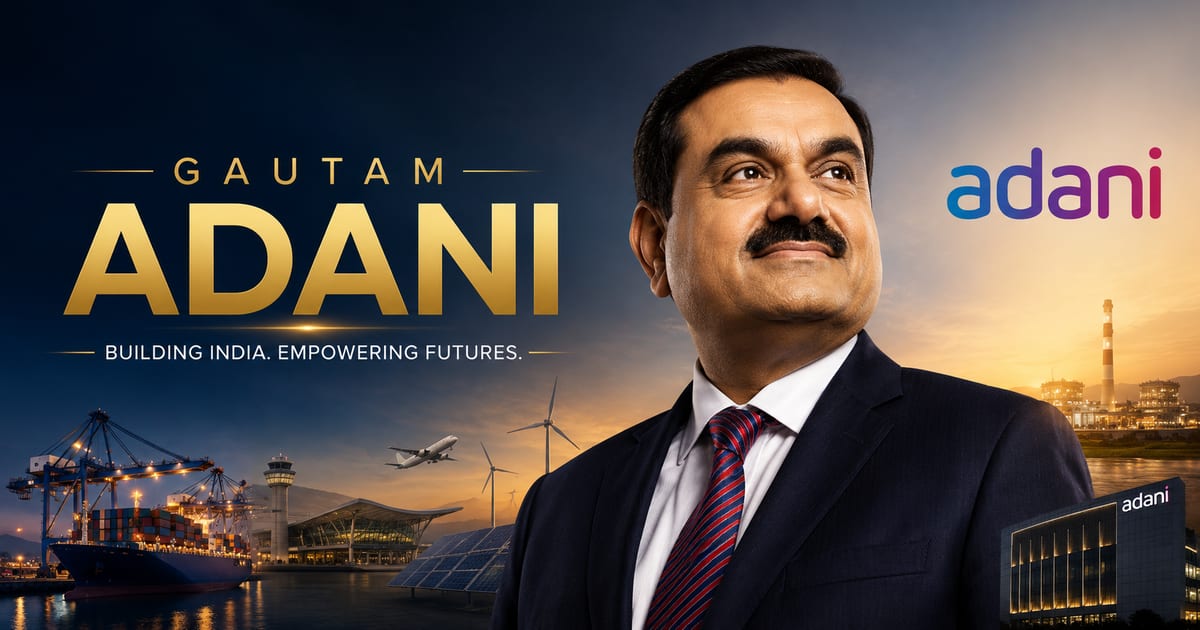
Gautam Adani
From diamond trading to Asia's largest port operator and renewable energy pioneer.
Read profile →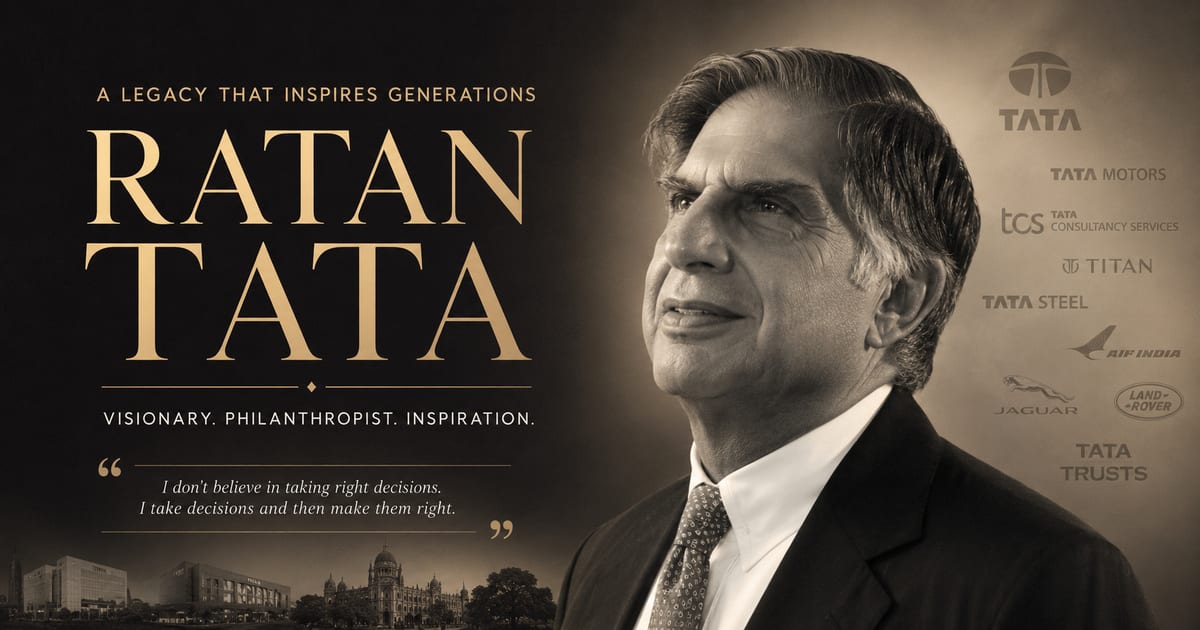
Ratan Tata
The man who took Tata global — Jaguar, Corus, and a legacy beyond profits.
Read profile →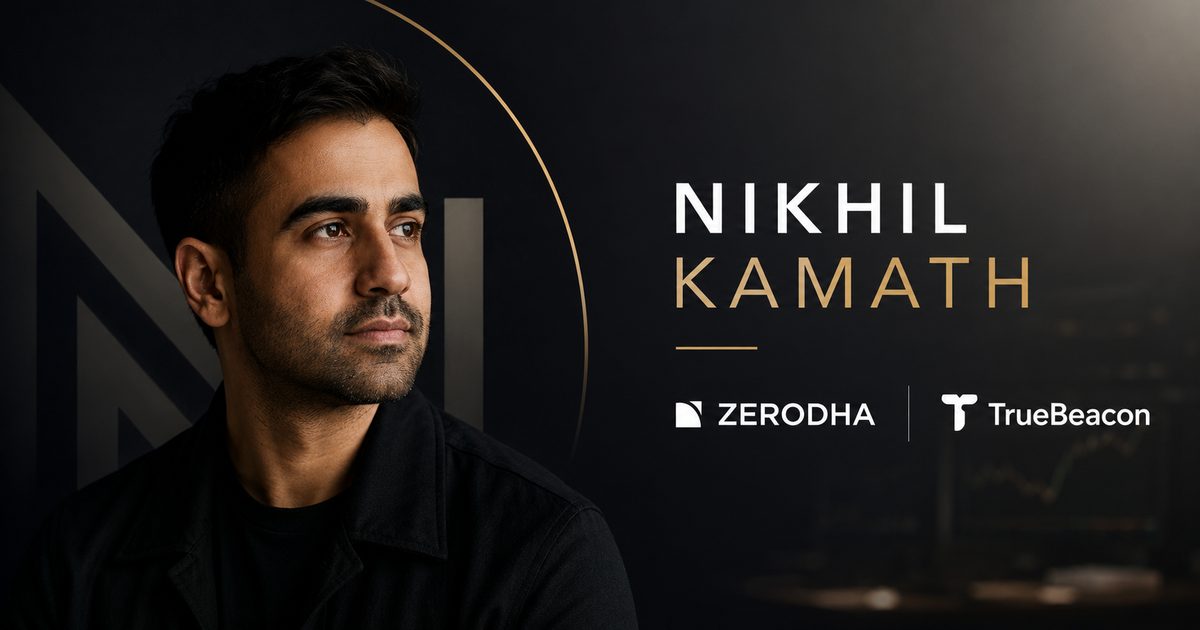
Nikhil Kamath
Self-made trader to fintech co-founder — India's most candid young billionaire.
Read profile →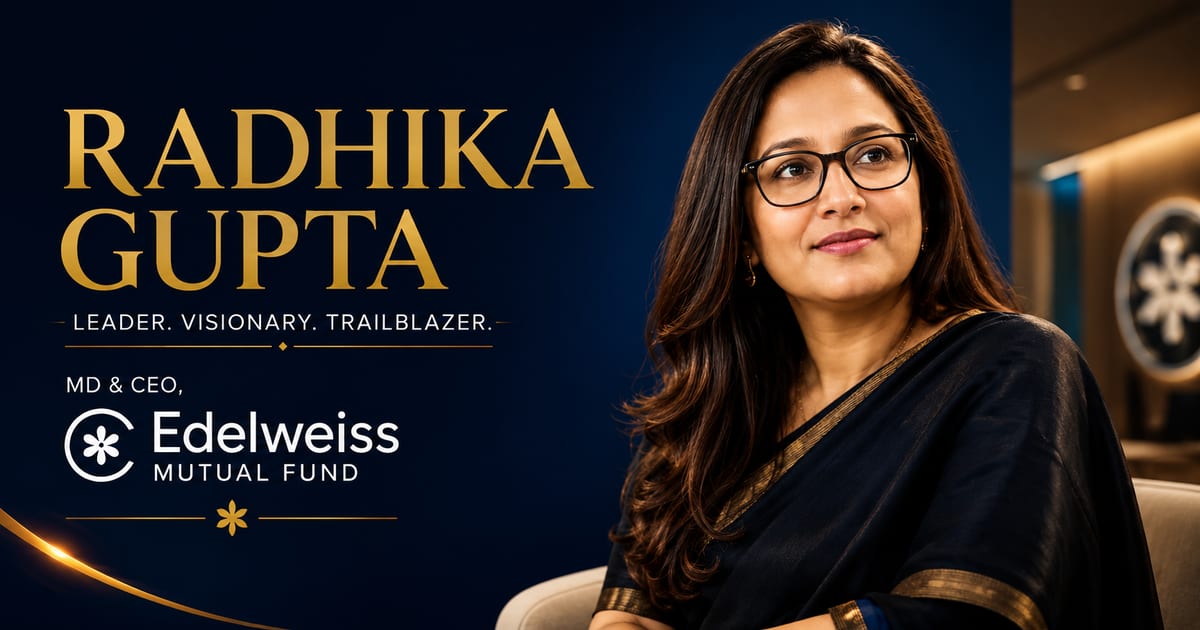
Radhika Gupta
From rejection letters to running one of India's leading mutual fund houses.
Read profile →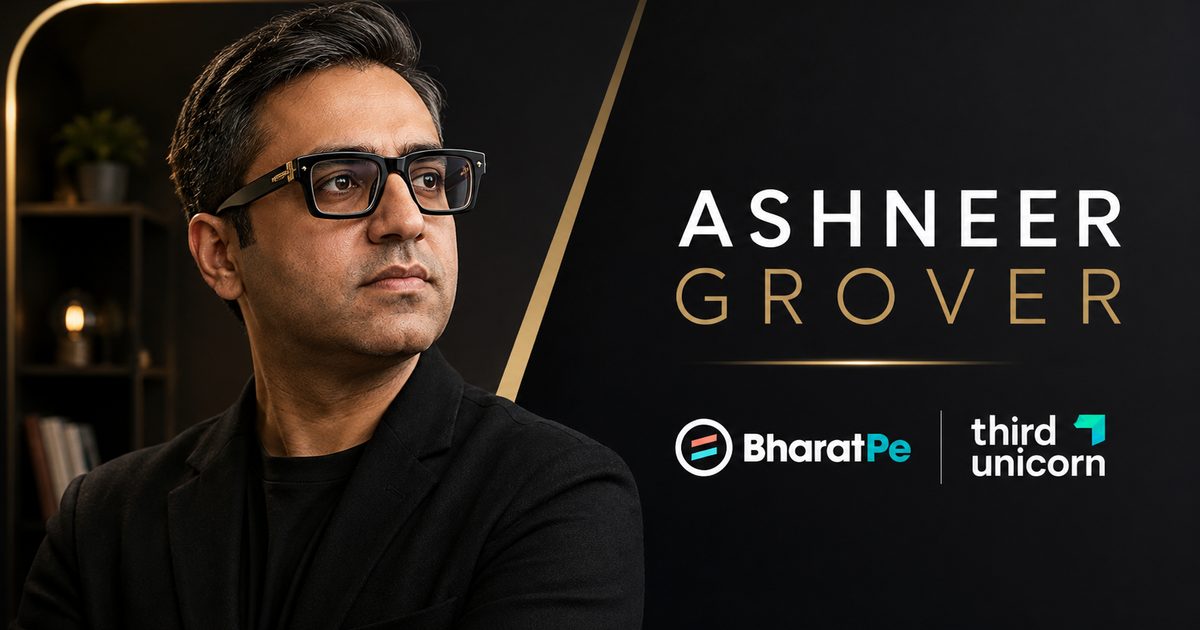
Ashneer Grover
Rise, controversy, and what comes next for India's most outspoken entrepreneur.
Read profile →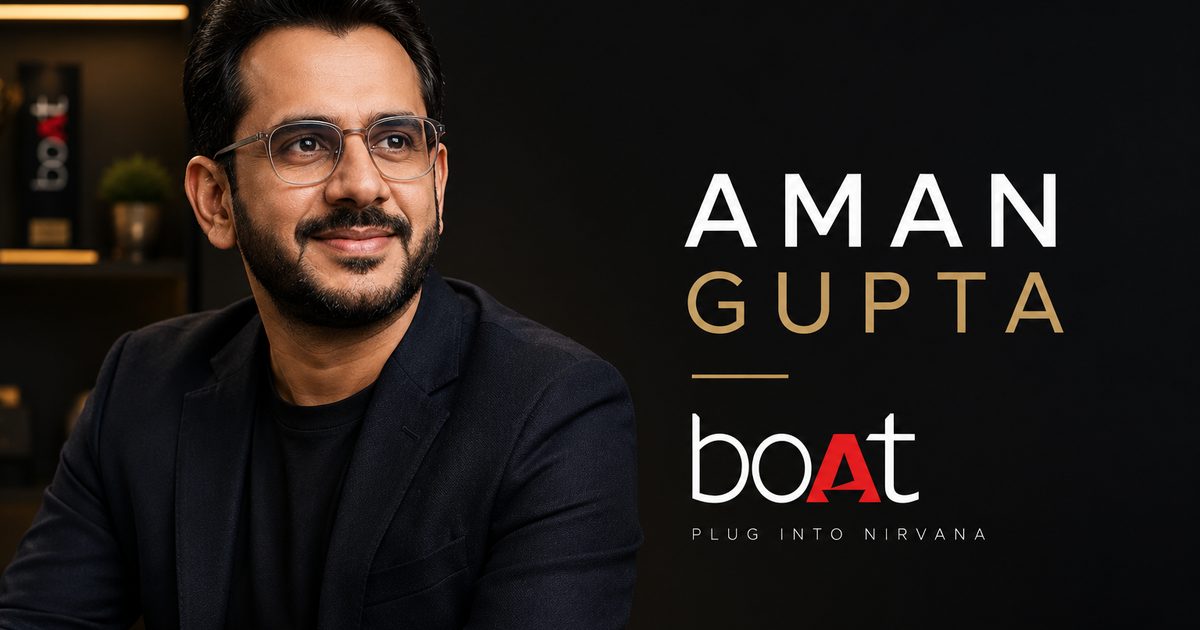
Aman Gupta
How Aman Gupta built BoAt into India's most popular consumer electronics brand.
Read profile →
Peyush Bansal
The IIT Delhi grad who built a global eyewear unicorn from a small online store.
Read profile →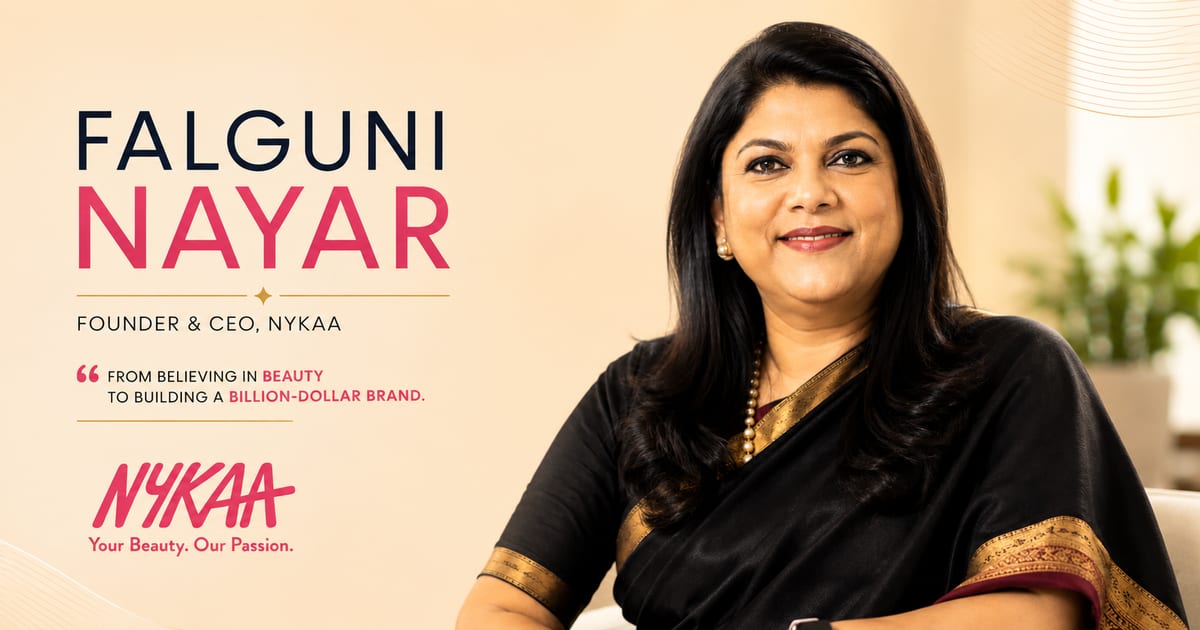
Falguni Nayar
Quit banking at 50 to start Nykaa — India's most inspiring entrepreneurial story.
Read profile →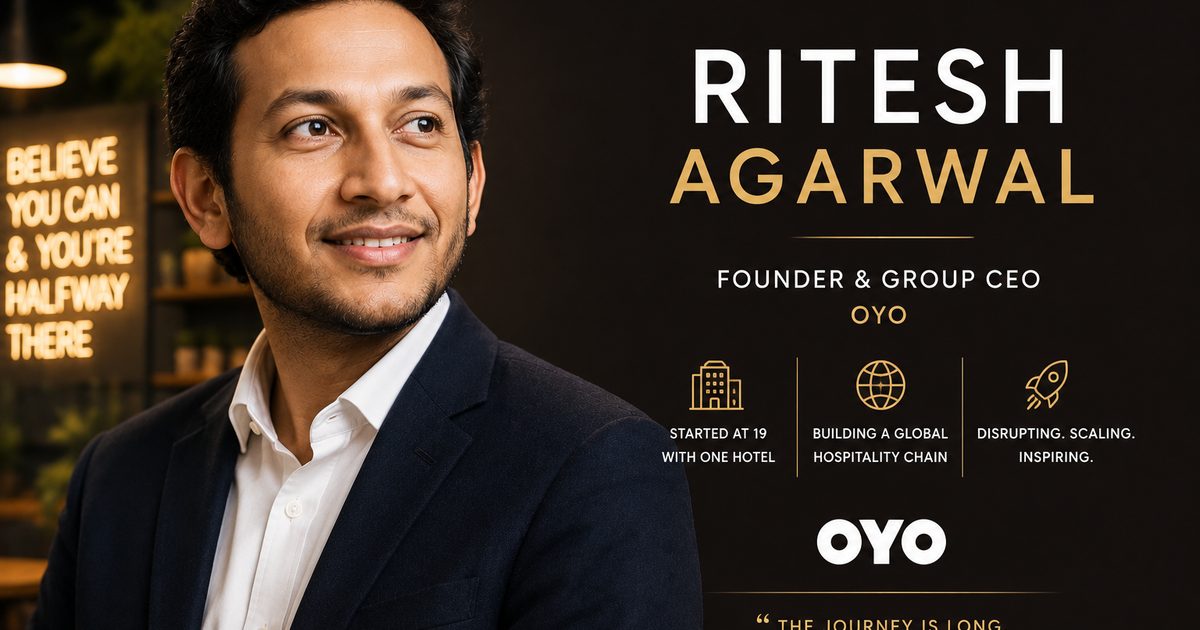
Ritesh Agarwal
India's hotel aggregator pioneer — from Thiel Fellow to global hospitality operator.
Read profile →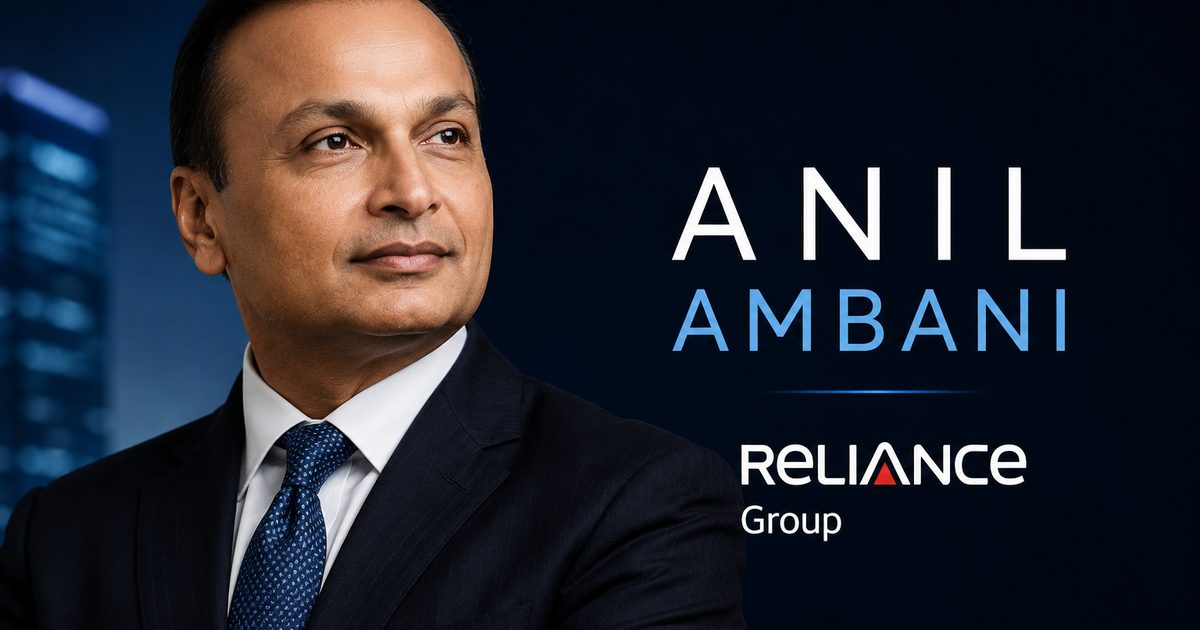
Anil Ambani
The rise, fall, and attempted comeback of the younger Ambani brother's business empire.
Read profile →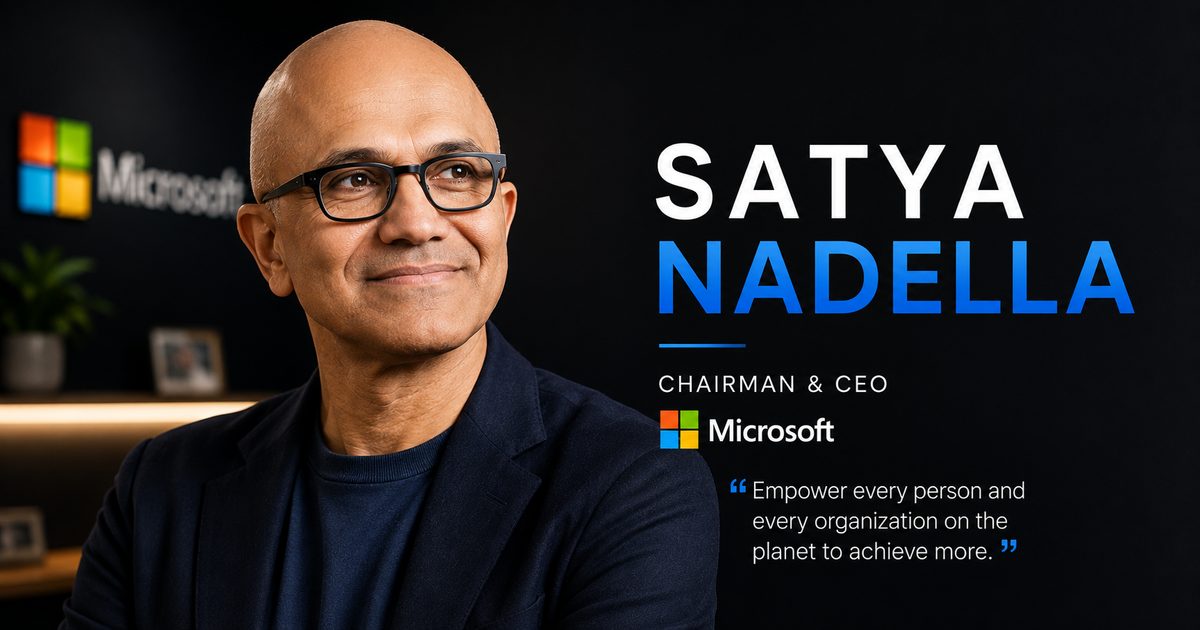
Satya Nadella
The Hyderabad engineer who turned Microsoft into the world's most valuable company.
Read profile →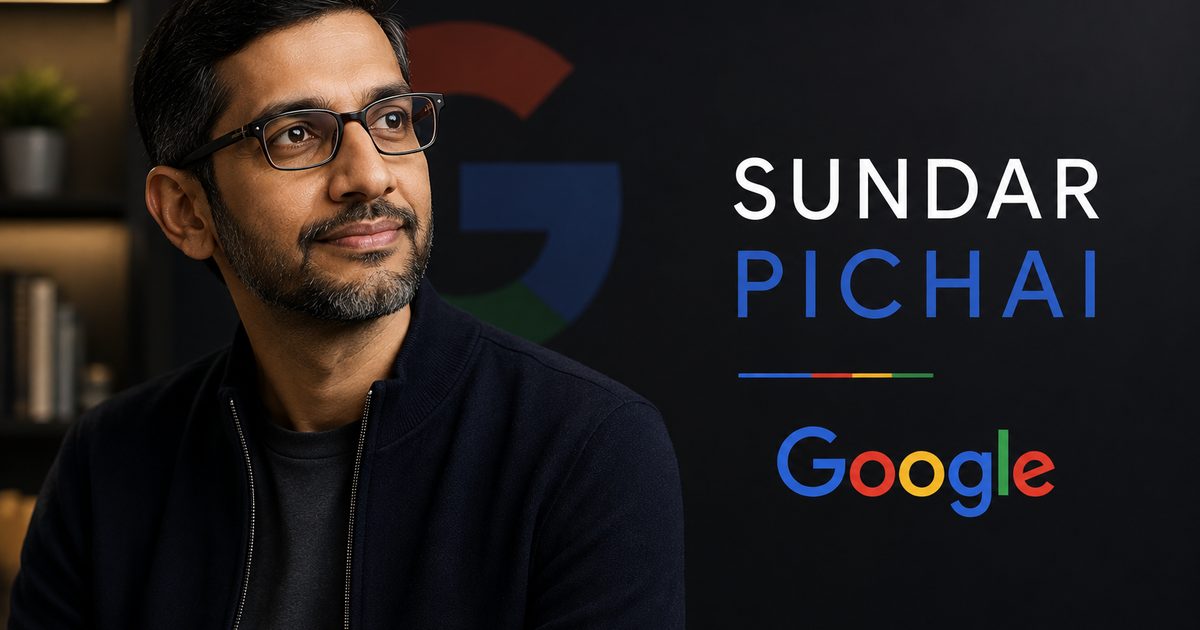
Sundar Pichai
Chennai to the corner office at Google — the IIT Kharagpur alumnus running the internet.
Read profile →World's Wealthiest Individuals
The billionaires whose decisions move markets and define industries.

Elon Musk
EVs, rockets, AI, and social media — the most consequential entrepreneur of our era.
Read profile →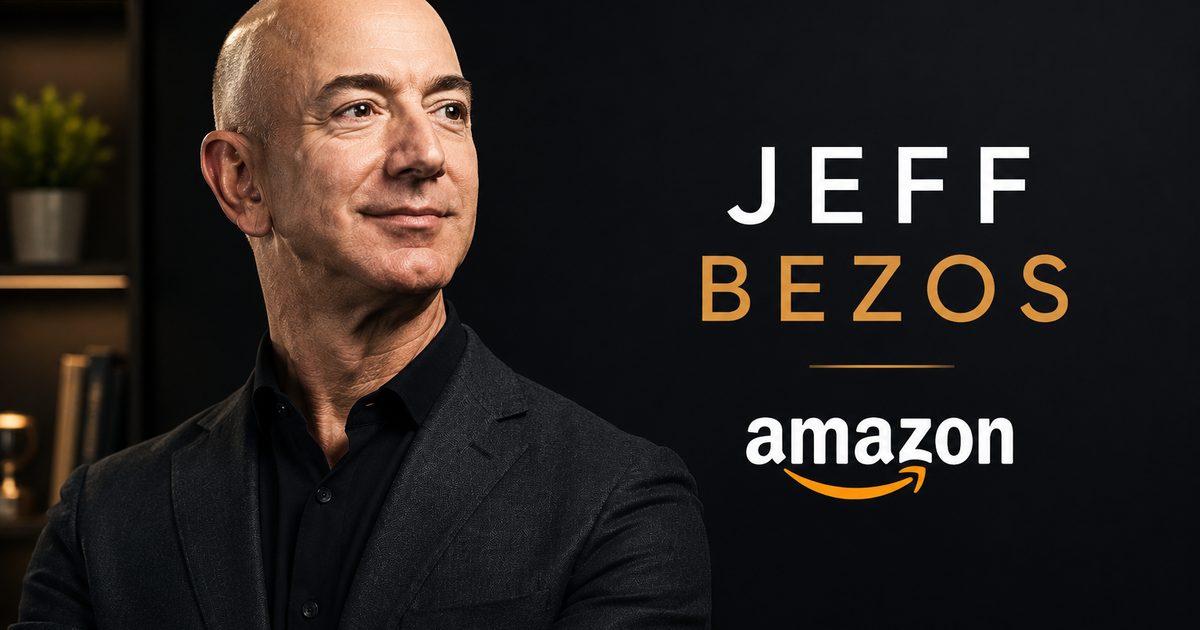
Jeff Bezos
From garage bookstore to AWS and Blue Origin — Bezos's relentless empire.
Read profile →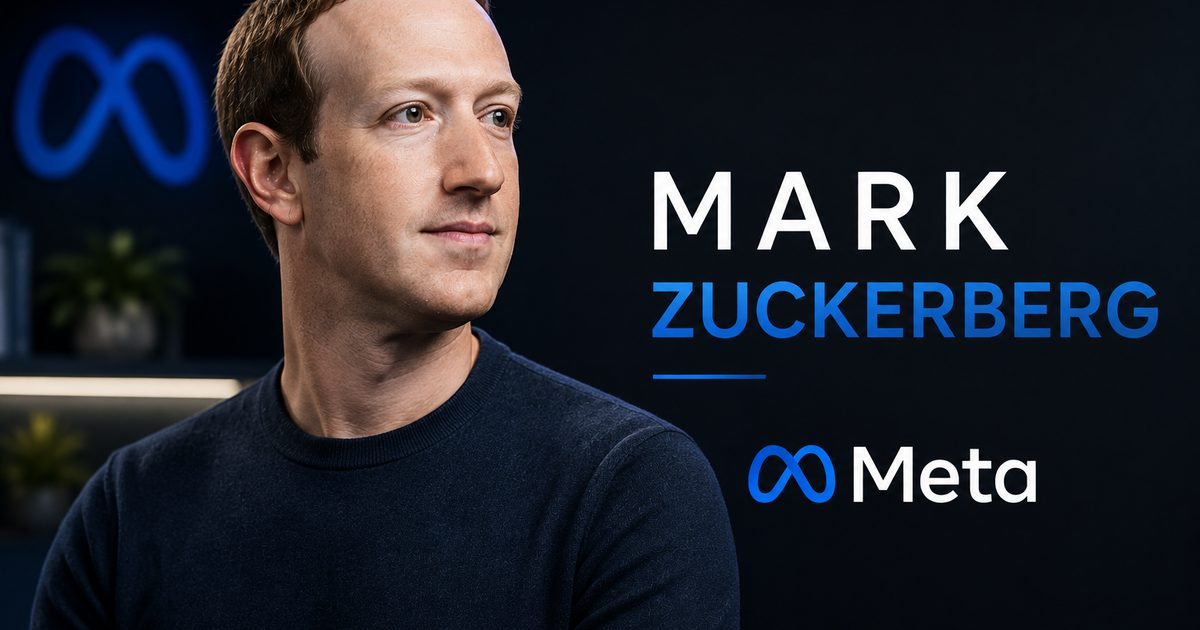
Mark Zuckerberg
Facebook to the metaverse to AI — the Harvard dropout still shaping global social media.
Read profile →
Kylie Jenner
How social media stardom became a billion-dollar beauty brand — and what really happened.
Read profile →Net worth & valuation figures are approximate estimates sourced from Forbes, Bloomberg, and public filings · as of 2026 · subject to change
How to Read a Company's Financials
Before you invest, understand these six things about any company.
Market Capitalisation
Share price × total shares outstanding. It is what the market thinks the company is worth today. A ₹1 lakh crore market cap company is "large-cap." Market cap changes every second the market is open.
Revenue vs Profit
Revenue is total money earned. Profit (net income) is what's left after all expenses. A company can grow revenue while losing money — many startups do this for years. Watch whether the profit margin is improving over time.
Debt-to-Equity Ratio
Compares how much a company borrowed vs. how much its shareholders own. High debt in a high-interest environment is dangerous. Debt/equity below 1 is generally healthy. Infrastructure companies legitimately run higher debt.
Return on Equity (ROE)
Net profit divided by shareholder equity — tells you how efficiently the company uses money invested by owners. ROE above 15–20% is generally considered strong. Compare ROE within the same sector for a fair view.
Price-to-Earnings (P/E) Ratio
Stock price divided by annual earnings per share. High P/E = market expects high growth. Low P/E = cheap or slow-growth. Comparing a company's P/E to its sector average tells you if it's over- or under-valued.
Free Cash Flow (FCF)
Cash generated after all expenses and capital investment. Companies can show accounting profit but have negative FCF — that's a red flag. Consistent positive FCF is the clearest sign of a financially healthy business.
Understand How Card Payments Work
Not a company profile, but useful context for anyone reading a credit card statement.